
She sat alone at the entrance to Enaim, veiled and waiting. The veil perhaps served a double purpose—it reminded onlookers of her betrothal and hid her identity. What she intended to do when she came face-to-face with her father-in-law is unclear. But when the recent widower saw the veiled woman, he did not recognize his daughter-in-law, whom he had cheated out of her rightful marriage. Instead, he saw a prostitute who could satisfy his fleshly desires.
The story of Judah and Tamar, the first woman mentioned in Jesus’ lineage, is an unsavory tale of unkept promises, deceit, sexual immorality, and God’s abundant grace. It shows Judah at his worst and an unexpected inclusion of a Gentile in the genealogy of the Messiah.
Judah married a Canaanite woman (Genesis 38:2), something that was not applauded up to that point in Scripture. The Canaanites were cursed because of what Ham—the father of Canaan—did to Noah (Genesis 9:20-25). If God only wanted to make the point that people from all nations were welcome in His family, the Messiah’s lineage could have come from one of the sons from Judah’s first marriage. Instead, God chose to work through Tamar, the Canaanite daughter-in-law whose first two wicked husbands died at God’s hand and who tricked Judah into giving her the security she was entitled to.
Why?
Matthew Henry wrote that Jesus, whom God sent in the likeness of sinful flesh (Romans 8:3), “was pleased to descend from some that were infamous. How little reason had the Jews, who were so called from this Judah, to boast, as they did, that they were not born of fornication! Jn. 8:41.” Jesus is not ashamed to associate Himself with sinners. The worthiness of Jesus is found in Christ Himself, not His ancestry.
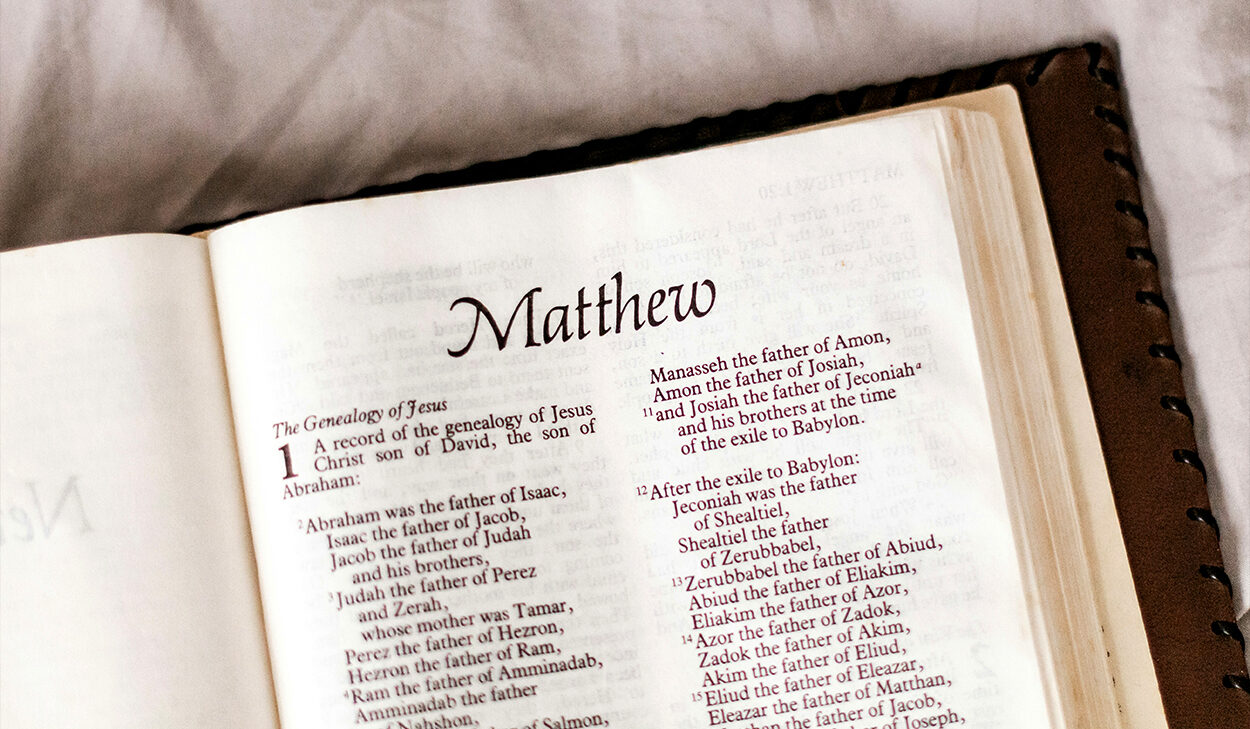
Judah’s encounter with Tamar resulted in her pregnancy. When he realized he was the father, Judah acknowledged Tamar’s righteousness in contrast to his own failure. This was the turning point in Judah’s life, a transformation that would show up again when Judah faced the brother he had sold into slavery. Tamar gave birth to twins, and her son Perez carried on the messianic bloodline (Matthew 1:3).
God chose Tamar to show that a blotted backstory does not necessarily exclude someone from His family. The Kingdom of Heaven belongs to the poor in spirit (Matthew 5:3), and that is only because the Lion of Judah (Revelation 5:5) took on the shame of people like Judah. No matter your background, your family history, or your nationality, everyone—even deceitful Israelites and mistreated Canaanites—can choose to follow Jesus.
Tamar’s story is just one of many threads that reveal how all nations will be blessed by God’s grace and how God can work through anyone to accomplish His divine plan.
All Nations Shall Be Blessed
Receive weekly devotionals that walk through the stories of the Gentiles named in Jesus’ genealogy plus a bonus Christmas devotional. Each email also includes a song to help you reflect on that day’s message.